
photo courtesy Ford
Most learner drivers these days take their lessons in a bread-and-butter supermini such as a Vauxhall Corsa or, if they’re lucky, a dual-control MINI.

photo courtesy Ford
Most learner drivers these days take their lessons in a bread-and-butter supermini such as a Vauxhall Corsa or, if they’re lucky, a dual-control MINI.

Suspicion of used-car dealers has a long history in the U.S. if an article in a 1915 supplement to Scientific American is any guide. The story, “Buying a Second-Hand Automobile,” by Victor W. Page, runs for more than 3,000 words, recalling one horror story in detail and giving loads of advice on how to avoid being swindled.
A team from Oak Ridge National Laboratory and General Motors, led by ORNL researcher Dr. Jun Qu, has developed a new group of ionic liquids as lubricant additives that could help improve the energy efficiency of cars and trucks.
Prototype low-viscosity ionic liquid-additized engine oil demonstrated a 2% improved fuel economy compared to Mobil 1 5W-30 engine oil (3.93% over the 20W-30 baseline oil) in standard fuel efficiency engine dynamometer tests. The prototype oil also successfully passed a 100-hour high-temperature, high-load engine dynamometer test.
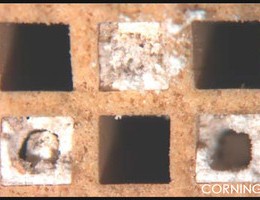
The cover story in the August 2009 edition of Fleet Maintenance looked back on the first two years of 2007-EPA emission compliant diesel engines for commercial trucks. The EPA had mandated that starting in 2007 all new on-highway diesel engines must limit the emission of particulate matter (PM).
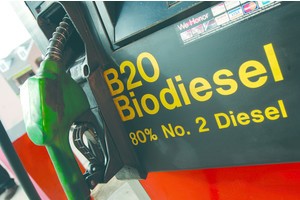
A form of diesel fuel manufactured from vegetable oils animal fats or recycled restaurant greases, biodiesel is safe, biodegradable and produces less air pollutants than petroleum-based diesel.


