
VW wins court order to stop scientists from revealing codes used to start cars
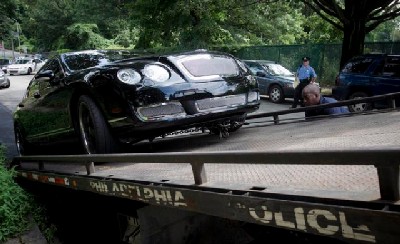
Volkswagen Group has obtained a court order that prevents three computer scientists from publishing an academic paper revealing the secret codes used to start luxury cars including Porsches, Audis, Bentleys and Lamborghinis.
VW asked for the ban because the publication could “allow someone, especially a sophisticated criminal gang with the right tools, to break the security and steal a car,” theGuardian newspaper said.
The scientists cracked the security system by discovering the unique algorithm that allows the car to verify the identity of the ignition key, the Guardian report said. The cars are protected by a system called Megamos Crypto, an algorithm which works out the codes that are sent between the key and the car.
Volkswagen had asked the scientists to publish a redacted version of their paper – Dismantling Megamos Crypto: Wirelessly Lockpicking a Vehicle Immobiliser – without the codes, but they declined, according to the Guardian.
VW, which owns Porsche, Audi, Bentley and Lamborghini brands, said the technology is also used by other automakers.
The scientists said they were doing “legitimate academic work” and their aim was to improve security for everyone.
The research was done by Flavio D. Garcia of Birmingham University in England, and Roel Verdult and Baris Ege of Radboud University Nijmegen in the Netherlands.
Birmingham University said it was disappointed that the court did not uphold the defense of academic freedom and public interest. The university has decided to defer publication of the academic paper in any form while additional technical and legal advice is obtained, a spokeswoman told Automotive News Europe.
The scientists wanted to publish their paper at the Usenix Security Symposium in Washington DC in August, but will now pull out of the conference because of the restraining order.
Cyber security is an increasingly important theme in the auto industry as vehicles become vulnerable to outside attack through global positioning systems, linked smartphones and keyless entry fobs. The U.S. National Highway Traffic Safety Administration listed vehicle cybersecurity as a risk in a May report outlining its preliminary policy on self-driving cars.


