
fuel duty to rise 3.02 pence per litre on 1 August
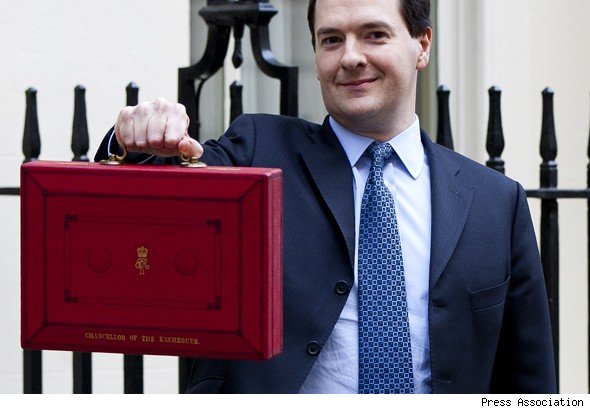 The hopes that the budget might see a cut in fuel duty have been dashed. The Chancellor, George Osborne, announced that fuel duty would rise by 3.02 pence per litre fuel duty increase on 1 August as planned. He portrayed himself as being sympathetic to the motorist by saying that there would be no above-inflation fuel duty rises until oil fell below £45 per barrel.
As it is currently around £80 per barrel, that prospect seems a long way off. Apart from a couple of brief dips, the oil price has been above that level since 2006.
The news provoked a furious response by those lobbying for a tax cut. Quentin Willson, the motoring journalist and campaigner, said: “The Government has turned its back on families and businesses all across the country. Three quarters of the electorate who want lower fuel prices… We showed them that cutting fuel duty by 2.5p would create 175,000 new jobs – how many jobs will be destroyed when the Government slaps 16p per gallon on in August?
AA president Edmund King said it is a “Budget blow-out which will force drivers off the road.”
In other motoring–related measures, the percentage of the list price used to calculate benefit-in-kind charges for company car drivers will go up by one percentage point in 2014/15 and by two percentage points the following year. However the three percent surcharge for diesels will end in 2016.
That last change was inevitable: in 2015 EU6 standards come in for diesel engines, by which time they will be as clean as petrol engines. Hence the government could no longer claim the surcharge was a tax on pollution


