
Dealing with “Stranded Energy” in Crashed EVs
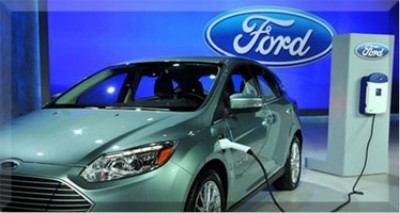
Every day there are more electric vehicles (EVs) on the road. With them comes an increasing likelihood that roadside assistance providers will encounter situations involving crashed EVs.
The high-voltage batteries in these vehicles contain “stranded energy” that can present a significant hazard when transporting and/or storing the car, and there is growing concern over whether first and second responders are fully aware of the possible dangers and properly equipped to address them.
Most emergency service providers are well aware of the precautions that must be taken when handling a fuel-powered (gasoline or diesel) vehicle that has been in a collision. This awareness comes from the fact that fuel-powered vehicles have been around since they started in the business. The usual procedure for such situations involves making a visual inspection for fuel leaks, disconnecting the 12-volt battery and using vehicle transport practices that limit any potential ignition sources, such as sparks created when metal portions of the car are dragged across a hard surface.
When handling a crashed EV, things are not as simple. The fuel and ignition sources that could cause a fire are not readily visible, and are typically the same component – the vehicle’s high-voltage battery pack. EV manufacturers do extensive testing to help ensure occupant safety during a crash. Key strategies include protecting and physically isolating the high-voltage battery from the rest of the vehicle, and cutting off all current flow from the battery to the powertrain when a crash occurs.
As part of the battery isolation that takes place in a crash for safety, other systems built into the vehicle to monitor battery temperature and state of charge are also disabled. However, if a high-voltage EV battery suffers external or internal impact damage, it may not overheat and catch fire until hours, days or even weeks after a crash. This was the case with the Chevrolet Volt that made the news when its battery began smoldering fire weeks after crash testing performed by the National Highway Traffic Safety Administration (NTHSA).
Testing has shown EVs are safe in normal driving conditions, but the American National Standards Institute (ANSI) and its Electric Vehicle Standards Panel (EVSP) are looking at additional research to help ensure post-collision EV safety as well. This work could lead to suggested changes in EV design, and/or the recommended adoption of new service and handling practices when dealing with crash-damaged EVs.
One particular strategy being considered is equipping first and/or second responders with special tools that would fully discharge the high-voltage battery pack, making the vehicle safer to handle and store.


