
Daimler considers selling 4 company-owned German dealerships
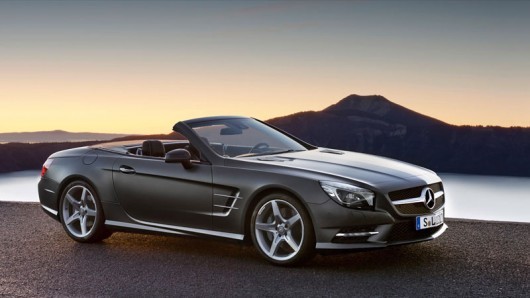
Daimler may sell four company-owned Mercedes-Benz dealerships in Germany to cut costs and help close a profitability gap with rivals BMW and Audi, which rely more on franchises run by private entrepreneurs to sell cars.
Daimler could mount a bigger sell-off if those transactions go well, a person familiar with the company’s thinking told Reuters.
Among the three German premium carmakers, Daimler depends on its unprofitable company-owned dealerships for a bigger share of domestic sales than either of its competitors.
Daimler owns 98 Mercedes car showrooms that account for about half of its car sales in Germany, the brand’s second-biggest market after the United States. BMW’s 43 owned dealerships contribute about a quarter of its volumes in Germany and Audi’s 16 in-house outlets account for less than 10 percent.
Savings drive
According to documents seen by Reuters, Daimler CEO Dieter Zetsche is targeting the company’s retail operations as part of a promised 2 billion euro ($2.6 billion) savings drive.
“Management wants to try this out to see exactly how it would work in practice,” said the person, who asked not to be named. “They are gathering experience that could serve as a blueprint,” he said, adding “Zetsche is no fan of own retail.”
Daimler is in talks to sell two dealerships in northern Germany and two in western Germany to existing franchise holders, sources said.
By selling off more outlets, Mercedes could cut its 16,000-strong German retail staff and associated costs including vacation pay, Christmas bonuses, corporate pensions and profit shares — perks that most franchise staff don’t receive.
“Our own retail showrooms naturally have to be competitive when benchmarked against franchise dealers,” Daimler said in an e-mailed statement, adding this had become “ever more challenging” in its weakening domestic market.
“There is currently no final concept for restructuring the group’s own retail network in Germany but different options are still being evaluated,” the company said. It declined to comment specifically on disposals.
Low margins
Car dealerships are typically a 2-4 percent margin business at best, which drags down overall margins for premium manufacturers.
Daimler said its own German sales staff — a third of which sell commercial trucks and delivery vans — “watered down” group profit with a negative 0.3 percent return on sales last year, according to an internal presentation. That would amount to a loss of more than 30 million euros on 11 billion in revenue.
Based on available data, it took an average 3.8 employees to sell a Daimler car each week last year, while it took only 3.2 to sell an Audi. By comparison, BMW needed roughly 4.5 employees. Automakers warn that such comparisons are only approximate because staff numbers can include servicing and other non-sales personnel.
BMW ‘excess flab’
Daimler isn’t the only one unhappy with its low-margin retail business. A job guarantee for 6,200 BMW sales staff in Germany expired in December and unions fear management views some of the 43 retail stores as excess flab. “There are no concrete closure plans in the desk drawer but we are permanently examining the efficiency of our own dealerships,” a BMW spokeswoman said.
BMW may have provided a clue about its future strategy, after acquiring an insolvent Munich dealer during the 2009 financial crisis. In a break with the past, BMW chose not to integrate the business with its retail network, preferring to keep it a separate unit that offers fewer employee benefits.
Luxury carmakers sometimes need wholly owned showrooms — particularly in expensive, fashionable downtown areas where independent dealers struggle to run a viable business — to give faster, unfiltered customer feedback to aid product development and take on slower selling models other dealers won’t order.
But Daimler’s heavy reliance on them may become a problem as the Internet changes the way people buy cars, and company dealerships typically underperform better-run franchises, said Pieter van Rosmalen, automotive retail specialist with MSX International.
Penske ‘potential buyer’
Van Rosmalen cited companies like the U.S.-based Penske Automotive Group among possible interested parties for any Mercedes showrooms that are put up for sale. “I bet you if a German premium carmaker put its own showrooms up for sale, then some of the larger retailers like Penske would buy it,” he said.
Penske, which describes its general acquisitions policy as “opportunistic,” declined to comment on Daimler outlets but the company has recently expanded into crisis-hit Europe by buying up some Italian BMW dealerships.
Other observers are skeptical that Daimler could clear the internal obstacles to selling off its dealerships, including a supervisory board where staff are heavily represented.
“Management wants to do something,” said London-based Credit Suisse analyst Erich Hauser. “But I ask myself whether this is going to be another of those Daimler stories where the goodwill is there but nothing happens in the end.”
The rethink opens a home front in Daimler’s battle to lift profitability to the 2013 operating margin target of 10 percent it set three years ago, only to shelve it in October. Mercedes reported a 7.1 percent margin last year, compared with 10.9 percent at BMW brand and 11 percent at Audi.
Zetsche has so far failed to put Daimler on course to keep its pledge to overtake Audi and reclaim the crown from BMW by 2020 or even trim their lead in sales and profit. Daimler further cut its guidance late last month.


