
Classic Cars – 1960s was the golden age
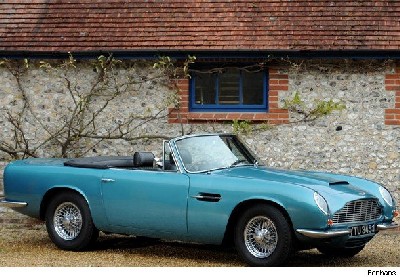
A survey of 3,500 classic car owners by specialist classic car insurance company, Footman James, suggests that classics from the 1960s are the most appealing. 64% of respondents said that decade was the most interesting for classic cars, while the two most popular classics are associated with that decade: the MGB, launched in 1962 and the Morris Minor (launched earlier, but available throughout the decade).
It should be said that the result of the survey was slightly predictable in that the most common age for someone to own a classic car is 50-59 years old. Such people would have been growing up in the 1960s and would therefore naturally be nostalgic about that period now.
However, Andy Fairchild, Footman James’ managing director is quite right to point out “The challenge for the industry now is to generate an enthusiasm for the future classics, cars from the 90s and noughties, ensuring the passion for classics lives on in current generations, thus securing the future of the industry for years to come.”
That is a moot point. A 1960s Aston Martin DB6 Convertible in top condition is now worth £400,000. Will a DB9 convertible be worth the same amount (after taking into account inflation) in 2060? We won’t be here to be proved wrong, but we suspect the more visceral appeal of a 1960s classic will always command more money than the far more competent, but less dramatic supercar of the current era. You don’t need competence and sophistication from a classic, as you get that from your everyday car: you want raw thrills.


