
Car insurance can cost young drivers more than 25% of salary
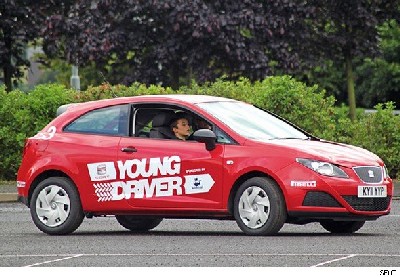
A study of car insurance prices has found that young drivers can pay more than a quarter of their salary for a car policy. The study, by Confused.com, reveals that the average premium for a 17-20-year-old is £2,499, while the average salary for an 18-21 year old is £13,972. That makes the average policy around 18% of the average salary – although the average premium for a young man is a massive £3,635, well over a quarter of the average salary.
At the other end of the spectrum, the oldest drivers can pay as little as £1.20 per day, with the average premium for the 71-plus age group just £436.
“A combination of driving experience, likelihood to travel shorter distances and owning lower-powered cars can make older and retired drivers statistically a lower risk, despite the possibility that their reactions could be slower due to age,” says a Confused.com press release.
The company says that younger drivers can reduce their premiums by choosing a small and low powered car; having telematics fitted to monitor their driving; shopping around on comparison sites (such as Confused.com, and taking out a higher voluntary excess.


