
Mercedes-Benz S500 Plug-in Hybrid launched at Frankfurt
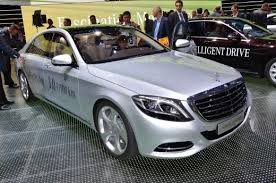
Mercedes-Benz has launched its new S500 Plug-in Hybrid at the Frankfurt Motor Show. Powered by a combination of 3.0-litre V6 engine and 80Kw motor the flagship luxury car has combined cycle economy of 94.2mpg and has CO2 emissions of 69mpg.
Additionally it has a range of 18 miles on electric power alone. It’s to appear at the 2013 Frankfurt Motor Show and sales should start in 2014 – you can expect to pay upwards of £80,000.
Features include and energy recovery system that charges the battery when the car is braking or coasting. The battery can also be charged from the mains. There are four driving modes – Hybrid, in which the engine is assisted by the battery; E-Mode for electric power only; E-Save, which saves battery for use later and Charge, which charges the battery when driving rather than draining it.
The engine produces 333PS and 480Nm of torque, with an additional 109PS and 340Nm from the electric motor. That’s enough to get the S500 Plug-in from 0-62mph in 5.5 seconds and on to a limited 155mph top speed.
One of the most important new features of the S500 plug-in is the Intelligent Hybrid system, which anticipates driver inputs and looks at the projected route for the next five miles, optimising the car to maximise energy recovery and battery charge.


