
The hidden benefits of monitoring tyre pressures
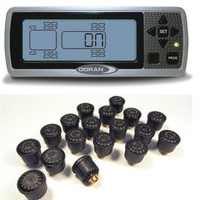
Direct TPMS, such as the Doran 360 series, uses pressure sensors located on each wheel’s valve stems to directly measure the pressure in each tyre. These sensors broadcast pressure data via a wireless network.
It is common knowledge in the lorry industry that maintaining proper tyre pressures will help to optimize tyre life and can have a positive impact on fuel economy. However, with more fleets adopting and installing tyre pressure monitoring systems (TPMS) on lorries and trailers, some of the hidden benefits associated with monitoring and maintaining tyre pressures based on tyre manufacturers’ recommended pressures have begun to be revealed.
This exposure is delivering unanticipated cost savings to fleets and is generating a positive impact to the bottom line.
Through Doran’s field trials and implementation of the 360 TPMS with a wide variety of fleets across America, we have been exposed to four “hidden” benefits related to tire pressure monitoring systems.
1. Reduction in Roadside Tyre Calls
It is quite obvious that pre-trip inspections can identify a tyre that has low pressure so that it can be addressed appropriately before starting the trip. Consistently maintaining proper tyre inflation pressures minimizes side wall flexing and uneven tread wear that can lead to a catastrophic tyre failure.
When the lorry ignition is turned on, the driver can immediately see the current tyre pressure in each wheel location and any tyre experiencing a low-pressure event can be addressed following the fleet’s recommended procedures.
In addition to receiving digital tyre pressure updates, utilizing a tyre pressure monitoring system allows the driver to have access to real-time low-pressure related alarms while on the road. A majority of the fleets that Doran has worked with have indicated that providing drivers with a visual and audible alert when a tyre falls below a low-pressure threshold has helped them to reduce costly delays and expensive roadside tyre calls from tyre blowouts.
In situations where road debris punctures a tyre, the Doran 360 TPMS also has a unique FastLeak alarm that provides an additional level of early warning protection when tyre pressure rapidly falls by 2.8 psi in less than 12 seconds.
2. Saved Casings
Fleets that have implemented TPMS have improved the overall condition of their tyre casings and significantly increased the number of these casings that can be used in retreads. This provides another opportunity to reduce and control tyre costs.
3. Improved Driver Awareness and Safety
By providing continuous real-time tyre pressure data and alarms for low pressure, drivers become more aware of the issues associated with driving on underinflated tyres.
Despite a sometimes hesitant “big brother” initial response from drivers to the acceptance of another monitoring/performance device on the lorry, a large percentage of Doran’s fleet customers and their drivers have experienced a high satisfaction level with the 360 TPMS and an overall sense of driving a safer vehicle with properly inflated tyres.
4. Decrease in Excessive Heat Issues
Another side benefit of tyre pressure monitoring is the capability to transmit temperature data and alarms. “High temperature” alarms can identify a tyre that is overheating, a hanging break, seized bearing or other wheel-end problems.
The stand-alone 360 TPMS includes a high temperature alarm triggered when air temperature reaches 175 degrees F. Telematics providers that have integrated with tyre pressure monitoring systems often offer a high temperature alarm as well.
Costs Curtailment
Overall, fleet acceptance related to the positive impact of tyre pressure monitoring systems has shown a gradual increase over time and has gained momentum over the past 12 months.
The fundamental technology of transmitting accurate tyre pressure data and reliable alarms through in-cab displays has been proven. Using integration projects with a number of mobile communications/telematics providers via J1939, J1708 or RS232 data protocol, fleets now have the opportunity to receive tyre pressure data and alerts that can be transmitted off the lorry to provide additional support for their drivers.


